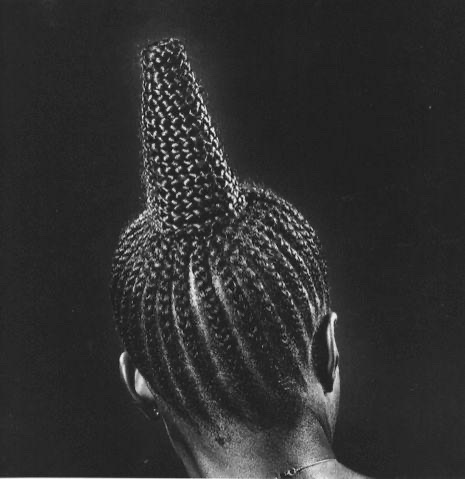
Nigerian hair plaiting is a mix of fashion, culture, and hair care. Teenagers and women often choose styles that express personality while protecting their natural hair.
1️⃣ Shuku
• Description: A neat, raised bun made from tightly plaited hair, often at the crown of the head.
• Use: Formal events, church, school ceremonies.
2️⃣ Koroba
• Description: Trendy medium-sized plaits in fun patterns, sometimes combined with extensions.
• Use: Parties, casual outings, school.
3️⃣ Patawo
• Description: Side cornrows braided into a larger design at the back.
• Use: Everyday wear, cultural events.
4️⃣ Afin Oba
• Description: Braids arranged to resemble a “royal crown” pattern.
• Use: Weddings, ceremonies, or special occasions.
5️⃣ All Back
• Description: Braids pulled entirely to the back of the head for a clean, sleek look.
• Use: School, work, professional settings.
6️⃣ June 12
• Description: Creative geometric cornrow patterns inspired by urban fashion trends.
• Use: Trendy parties, social events.
7️⃣ Butterfly
• Description: Braids styled to look like butterfly wings on the scalp.
• Use: Fun, festive occasions; popular among teenagers.
8️⃣ Express
• Description: Quick-to-do braided style with small or medium plaits for convenience.
• Use: School, busy schedules, casual wear.
9️⃣ C0 (CO Braids)
• Description: Often an all-back or side-swept braid with neat cornrow patterns.
• Use: Everyday wear, professional or casual settings.
1️⃣0️⃣ Kiko Threading
• Description: Fine, thin plaits done with precision using thread to secure hair ends, often forming intricate patterns.
• Use: Stylish protective style for festivals, parties, and formal events.
• Benefits: Long-lasting, neat, and creative; protects hair from damage.
Why Nigerian Braiding Styles Are Popular
• Protective: Reduce hair breakage and tangling
• Fashionable: Express individuality and cultural identity
• Versatile: Suitable for school, work, parties, or traditional events
• Durable: Many styles last for weeks with proper care
Nigerian hair plaiting is more than just a hairstyle, it is an art form, cultural expression, and protective hair practice. Styles like Shuku, Koroba, Patawo, Butterfly, and Kiko(Threading) let adolescents explore creativity while maintaining healthy hair.


Leave a Reply