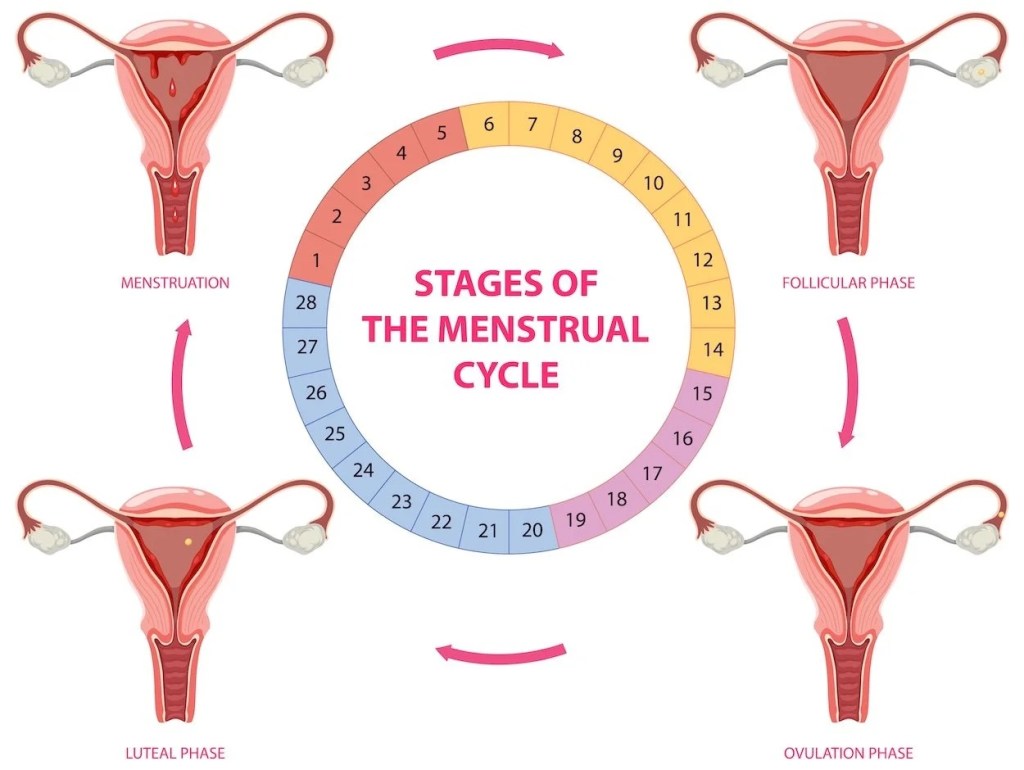
Adolescence is a stage of growth marked by significant physical and hormonal changes. One of the most important developments in girls during this period is the beginning of the menstrual cycle. Understanding how the menstrual cycle works helps adolescents feel confident, prepared, and informed about their bodies.
What Is the Menstrual Cycle?
The menstrual cycle is the monthly process in which a girl’s body prepares for a possible pregnancy. It involves hormonal changes that lead to:
• The release of an egg (ovulation)
• Thickening of the uterine lining
• Shedding of the lining if pregnancy does not occur (menstruation)
A typical cycle lasts about 21–35 days in adolescents, though it may be irregular at first.
When Does the Menstrual Cycle Begin?
The first menstrual period is called menarche. It usually occurs between ages 9 and 15, though this varies from person to person.
In early adolescence:
• Cycles may be irregular.
• Periods may skip some months.
• Ovulation may not happen every cycle.
This irregularity is normal because hormones are still adjusting.
Phases of the Menstrual Cycle
The menstrual cycle has four main phases:
1. Menstrual Phase
This is when bleeding occurs. It usually lasts 3–7 days.
2. Follicular Phase
The brain releases hormones that stimulate the ovary to mature an egg.
3. Ovulation Phase
A mature egg is released from the ovary.
4. Luteal Phase
The body prepares for pregnancy. If fertilization does not occur, the cycle starts again.
Common Changes in Adolescence
During adolescence, girls may experience:
• Irregular cycle lengths
• Mood swings
• Breast tenderness
• Acne
• Abdominal cramps
• Fatigue
These are largely due to hormonal fluctuations.
Hygiene and Self-Care During Menstruation
Proper menstrual hygiene is essential:
• Change sanitary pads regularly (every 4–6 hours)
• Wash the external genital area with clean water
• Wear clean, breathable underwear
• Dispose of used sanitary materials properly
Good hygiene helps prevent infections and promotes comfort.
Emotional Well-being
Hormonal changes during adolescence can affect emotions. It is normal to feel:
• Sensitive
• Irritable
• Tired
• Anxious
Support from parents, teachers, and healthcare providers is important during this stage.
When to Seek Medical Advice
A healthcare provider should be consulted if there is:
• No period by age 15–16
• Extremely heavy bleeding
• Severe pain that disrupts daily activities
• Absence of periods for three months or more
The menstrual cycle in adolescence is a natural and important part of development. Although cycles may be irregular at first, they usually become more regular over time. With proper education, hygiene, and emotional support, adolescents can manage their menstrual health confidently and responsibly.


Leave a Reply