Estrogen is one of the primary female sex hormones responsible for the growth, development, and regulation of the female body. Although both males and females produce estrogen, it plays a particularly central role in female puberty, reproductive health, and overall physical development.
Estrogen is mainly produced in the ovaries, though small amounts are also made in the adrenal glands and fat tissues. Its production increases significantly during puberty, triggering many of the physical and internal changes that mark the transition from childhood to womanhood.
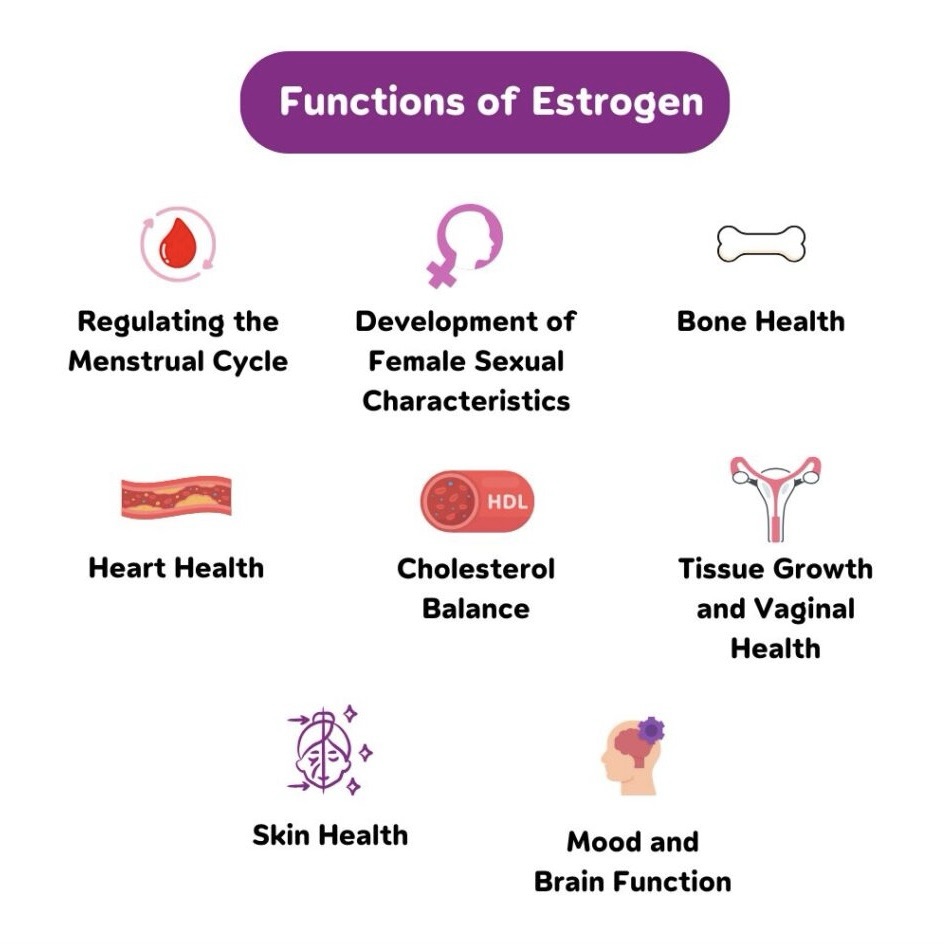
One of estrogen’s most noticeable roles is in the development of secondary sexual characteristics. During puberty, rising estrogen levels stimulate breast development, widening of the hips, and changes in body fat distribution. It also contributes to the growth of the uterus and maturation of the reproductive organs, preparing the body for menstruation and future fertility.
Estrogen is responsible for regulating the menstrual cycle. Each month, it helps thicken the lining of the uterus (endometrium) in preparation for a possible pregnancy. If pregnancy does not occur, hormone levels drop, leading to menstruation. This cycle repeats monthly throughout a woman’s reproductive years.
Beyond reproductive functions, estrogen has several important roles in overall health. It supports bone growth and density, which is especially critical during adolescence when bones are strengthening. It also influences skin health, contributing to softness and elasticity, and plays a role in maintaining healthy cholesterol levels and cardiovascular function.
Estrogen also affects mood and brain function. Fluctuations in estrogen levels can influence emotions, which partly explains mood swings commonly experienced during puberty and different phases of the menstrual cycle. Understanding this hormonal influence helps young girls realize that emotional changes during adolescence are often biological and temporary.
However, estrogen must remain balanced. Too little estrogen during adolescence can delay puberty or affect bone development, while excessive or imbalanced levels may contribute to irregular menstrual cycles or other health concerns. This is why proper nutrition, exercise, sleep, and medical guidance are important during teenage years.
Estrogen is a powerful and essential hormone in female development. It guides the transformation of a girl’s body into that of a woman, supports reproductive health, strengthens bones, influences mood, and maintains overall well-being. Understanding its role helps young girls appreciate the natural processes happening within their bodies and prepares them confidently for adulthood.
 Greenland for abused women foundation(GAWF)
Leave a comment