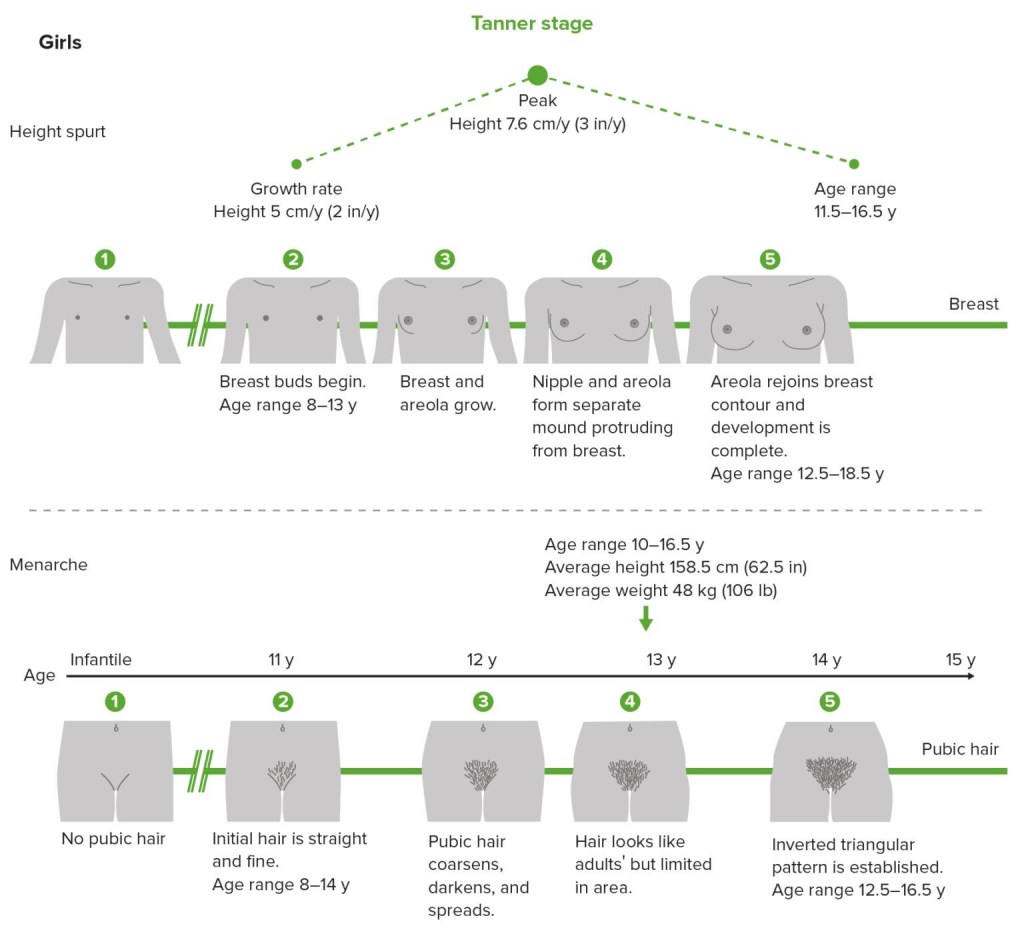
Adolescence is a time of physical growth and hormonal change. During this stage, breast development varies greatly from one girl to another. While some adolescents may experience large breast growth, others may notice very little development. When breast tissue remains unusually small or underdeveloped compared to age and body structure, the condition may be referred to as Micromastia.
Understanding micromastia helps reduce unnecessary anxiety and promotes healthy body confidence.
Micromastia
Micromastia is a term used to describe underdevelopment of the breasts. It may involve:
• Very small breast size
• Minimal breast tissue growth during puberty
• One breast being noticeably smaller than the other (asymmetry)
In many cases, small breasts are simply a normal variation of body type and not a medical problem.
Causes of Micromastia in Adolescence
Possible causes include:
• Genetic factors (family traits)
• Delayed puberty
• Hormonal imbalance (low estrogen levels)
• Nutritional deficiencies
• Certain medical or genetic conditions (rare)
Sometimes breast growth may just occur later than expected, as puberty progresses at different rates.
Physical Effects
Micromastia itself does not usually cause physical pain or health problems. Most adolescents with small breasts are physically healthy. The main concern is often emotional rather than medical.
Psychological and Emotional Impact
Adolescence is a sensitive period for body image. Girls with very small breasts may experience:
• Self-consciousness
• Feeling “different” from peers
• Teasing or social comparison
• Reduced confidence
It is important to emphasize that breast size does not determine femininity, beauty, or maturity. Body diversity is natural and normal.
When to Seek Medical Advice
Medical evaluation may be helpful if:
• There are no signs of breast development by age 13–14
• There is no menstruation by age 15–16
• Other signs of delayed puberty are present
A healthcare provider may assess hormone levels and overall development.
Management and Support
In most cases, no medical treatment is necessary. Support may include:
• Education about normal body variations
• Emotional reassurance
• Healthy nutrition and lifestyle habits
• Counseling if body image concerns affect mental health
In adulthood, some women may choose cosmetic procedures, but this is a personal decision and not medically required in most cases.
Important Reassurance
Breast size varies widely among individuals. Having small breasts does not indicate poor health or abnormal development. Adolescents should be encouraged to appreciate their bodies as they grow and mature.
Confidence, character, intelligence, and kindness define a person, not body size. Education and emotional support play a key role in helping young girls navigate adolescence with self-acceptance and dignity.


Leave a Reply